Stay In This World
The stories, the culture, the conversations. Every week.
No spam. No third parties. Just Unruly.
A Novella of Memory, Recurrence, and the Refusal of Arrival
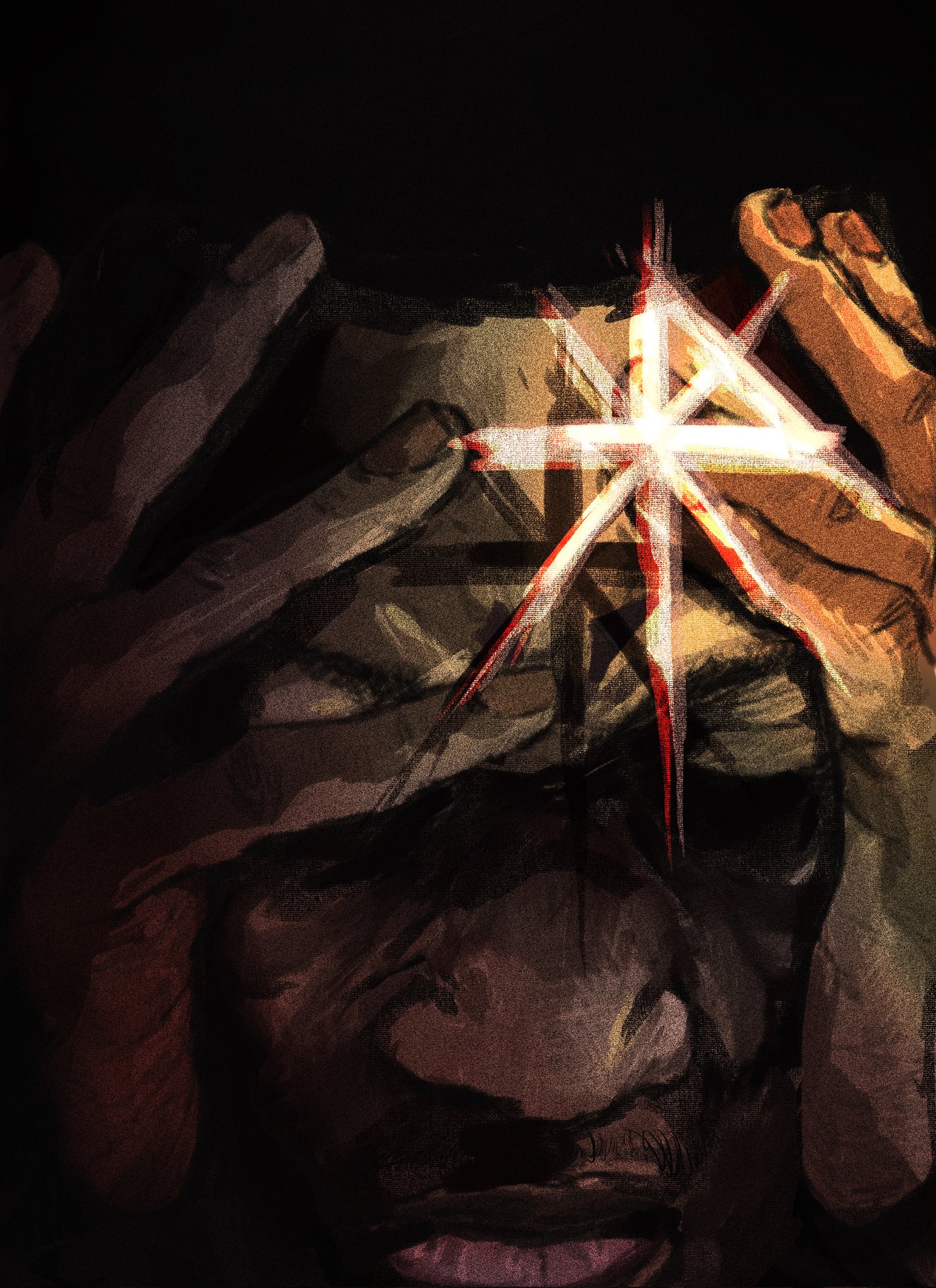
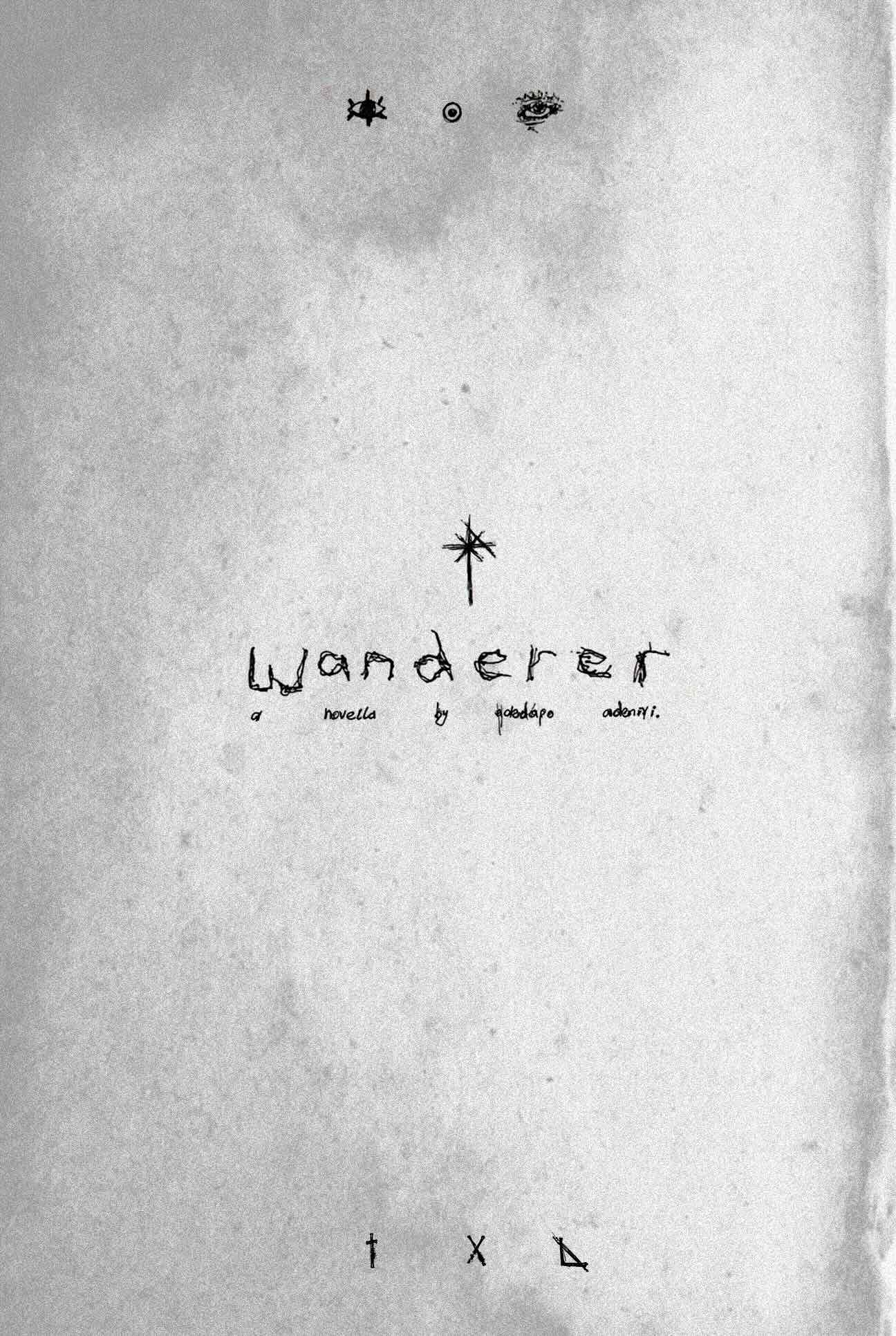
The mind of a nomad is a subterranean bomb. This much is true when reading Wanderer. It presents itself as a text that refuses the strictures of realism, that disdains narrative continuity as it insists instead upon dream as both form and ethos. To read it is to be drawn into a wild phantasmagoria where the very structure of memory collapses, where hallucination is indistinguishable from event. We are reminded in a Kafkaesque fashion that the truest account of consciousness is in amoebic fantasy.
The book begins, significantly, at the middle of a sprawling narrative : “When this ends, I will have forgotten the beginning, when this begins again, I will know not that soon there will be an end, perhaps all there is is the middle.” This is the keynote of the entire work. Its poetics of recurrence, its insistence on middle-ness, sets it against the Aristotelian tradition of beginning–middle–end.
In Bloom’s terms, the novella enacts a strong misreading of its precursors. Where modernism (Joyce, Woolf, Proust) exalted the stream of consciousness, here the stream has overflowed, leaving the reader in the floodplain of unreality, uncertain which sediments are memory and which are dreams.
What Wanderer accomplishes, sometimes brilliantly, sometimes with wearying insistence, is a dramatization of consciousness as both textual and self-annihilating. The narrator is less a character than a cosmic entity of perception, haunted by recurring figures and events: a girl, sometimes named Ashley, sometimes left indeterminate; a mother whose presence oscillates between tenderness and accusation; vermin and ghouls who speak in riddles and non-sequiturs. These figures repeat, distort, dissolve, and return again, much as images in dreams recur with variations.
The motif of the photograph is central. It appears first as a lost object among toothbrushes bleeding in a flooded room, then reappears as an uncanny image of eyes, then again as a family portrait. Always, it is the emblem of memory: that which should fix identity and yet, in this novella, undoes it. The photograph refuses to stabilize meaning; instead, it is the very image of instability, of forgetting. In Bloom’s Freudian vocabulary, this is the work of repression and return: the photograph is a symptom, surfacing in dream only to evade identification. For Adeniyi, the camera is God's first command.
Equally persistent is the motif of running. The endless search for a house, the labyrinth of streets, the body compelled into motion. Running, here, is the novella’s figure for interpretation itself: always seeking, never arriving.
In the most Kafkaesque moment, the narrator is trapped in a maze where each turn brings him back to the same street, the same absence of the house. This is literature as the eternal deferral of arrival, a denial of “getting here”. Derrida would have called it différance; Bloom would call it belatedness, the belatedness of the modern writer always arriving after the canonical dead.
If the first half of Wanderer situates itself in dreamscapes of rats, distorted rooms, and collapsing ceilings, the second half stages its drama in the house of cinema. Chapter Six, “At the Cinematheque,” is the book’s most striking section, where the narrator enters a theater to watch a film that turns out to be his own past loves replayed. This mise en abyme, fiction within fiction, screen within page is not merely metafictional trickery. It is the novella’s confrontation with the central terror of selfhood: that memory itself is cinematic, edited, cut, replayed endlessly until the subject can no longer distinguish between what was lived and what was projected.
One thinks of Borges, who was the master of an imagined world where fiction overtakes reality. Or of Proust, whose great search for lost time is here inverted: Wanderer is a search for a time that perhaps never existed. The narrator’s romances, re-enacted as films, are consumed with the inevitability of failure. Love is dramatized as masochism, crystallized in the line “To love is to die.” This sentiment is not mere adolescent despair; it is, in its very hyperbole, a Romantic inheritance. It's true when placed under a microscope of criticality.
And yet, where the German Romantics sought transcendence in death and love, Wanderer insists upon repetition. The narrator loves, loses, mourns, only to repeat the cycle with another figure. The anxiety here is not of influence but of recurrence. History is not progressive but cyclical, memory is not restorative but recursive. In this, the novella owes much to Beckett’s exhausted voices, where every end is another beginning, every “it ends” is followed by another hallucination.
The book’s most unsettling chapter, “The Rats Tell,” dramatizes madness with mythic force. Millions of rats, yet only one rat; their collective voice instructing the narrator to find Ashley. Here, the grotesque verges on the sublime. Bloom’s category of the “daemonic” is useful: the rats embody the daemonic imagination, that which both destroys and compels creation. They speak riddles—“You must become but you cannot”—which echo the tragic paradox of the self. To become oneself is impossible; to fail to become is unbearable.
The maternal scenes, by contrast, ground the novella in a more intimate suffering. When the mother confronts the narrator about lies, about drugs, about his sadness, the text abandons its surreal flourishes and becomes almost unbearably direct. These passages are among the strongest, precisely because they interrupt the dream logic with the starkness of familial love and betrayal. They recall not so much Kafka as Dostoevsky, for whom the family is both salvation and damnation.
Yet, for all its brilliance, Wanderer falters its gluttony of indulgence. The repetitions ;“I don’t know, but I do, but I don’t” while mimetic of dream, risk fatiguing the reader. Ambiguity, when over-insisted upon, risks monotony. A certain discipline of form might have heightened the impact. As it stands, the text at times seems to revel in its own obscurity, mistaking proliferation of the bizarre for profundity.
Still, the novella’s accomplishment is undeniable. It is a work that situates itself against realism, against narrative closure, against the very possibility of resolution. Its true subject is not Ashley, nor the lost house, nor even love. Its true subject is consciousness under siege by memory, by dream, by desire, by madness. In the end, the book leaves us with the image of a kiss withheld, deferred, or lost. That is its true emblem: the kiss that never quite occurs, the arrival that never arrives, the house that cannot be found. This is literature not of consolation but of haunting. Its greatness lies in its refusal to grant the generosity of catharsis.
Wanderer belongs, then, to the tradition of the unquiet text, a Pessoan descendant, the book that cannot end. Like Beckett’s voice that insists “I can’t go on, I’ll go on,” this novella repeats, distorts, collapses, only to begin again. It is maddening, exhausting, brief, sentimental, incomputable. A line of code for an inner labyrinth constructed by a writer seeking a lighted tunnel.